
myths
Published: 2026-02-24 12:05:59
OGONI TRADITION & THE MISINTERPRETATION OF LESBIANISM
OGONI TRADITION & THE MISINTERPRETATION OF LESBIANISM By: Idum Felix Many people today ask a familiar question: “How do we explain the Ogoni cultural practice where a woman can mar
By Idum Felix
verified
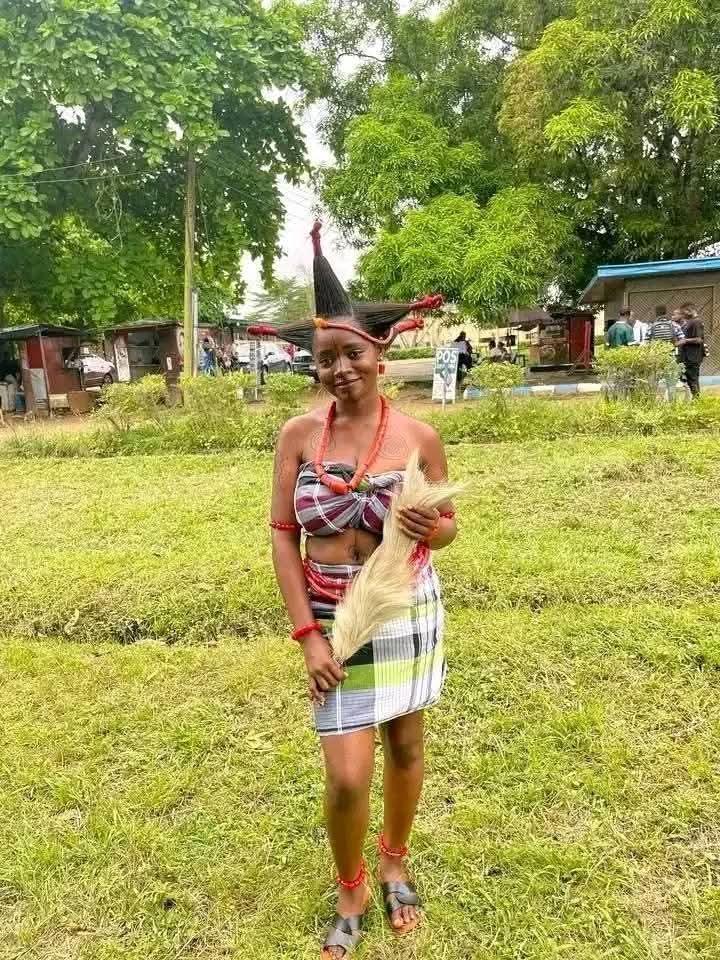
OGONI TRADITION & THE MISINTERPRETATION OF LESBIANISM
By: Idum Felix
Many people today ask a familiar question:
“How do we explain the Ogoni cultural practice where a woman can marry another woman?”
A practice that outsiders, especially those who only see the world through modern Western lenses, may rush to label it as lesbianism.
But the truth is deeper, older, and far more complex.
Long before colonial laws, long before church doctrines, and long before Western ideas of sexuality, the Ogoni people practiced a structured, culturally recognized system that many today might call ‘controversial.’
That practice is known as:
WOMAN-TO-WOMAN MARRIAGE (NNEEWA IIWA)
This was not a secret ritual. It was not a crime. It was not even unusual. It was a respected cultural institution.
Yes, it existed.
But no, it was not about romance or sexual relationships.
So what was it about?
In Ogoni cosmology, like many African societies, biological procreation and lineage continuity were central pillars of family life.
Because of this, it would be completely misleading to claim that Ogoni culture “celebrated” same-sex romance the way modern societies understand it.
However, it would also be historically false to claim that female-to-female unions were “foreign” or “taboo” to Ogoni life.
They were not.
They were openly practiced, recognized by elders, and backed by customary law.
Reasons a Woman Could Marry Another Woman Included:
Ensuring inheritance rights within the family
Preserving lineage when a woman had no male children
Securing social status and stability
Addressing childlessness in culturally acceptable ways
Preventing land from being transferred to distant or unwanted relatives
Retaining wealth, property, and legacy within a particular bloodline
It was marriage, not born out of romance,
but born out of responsibility, strategy, and cultural survival.
It was legal,
socially valid,
and fully recognized…
But it had absolutely nothing to do with sexual identity.
No rainbow flags.
No sexual labels.
No campaigns or activism.
Just pure culture, functional, and rooted in the logic of survival and continuity.
So Where Do I Stand Personally?
Do I appreciate the tradition?
Yes, I do.
Not because of sexuality, because that was never the point.
But because the practice protected families, preserved names, and kept legacies alive.
Many of the women who entered these unions became the backbone, the pillars, and the protectors of their households.
And like every marriage in the world, whether man to woman or woman to woman,
some thrived,
some struggled,
and some faced the same challenges we see today.
History is deep.
Culture is layered.
And the truth?
The truth is always more interesting, more beautiful, and more complicated than the shallow assumptions people often make.
Moral
Respect for culture and traditions
Source / Origin
Idum Felix