
history
Published: 2026-02-24 12:05:42
THE HISTORY OF MAA LO LO WA PART
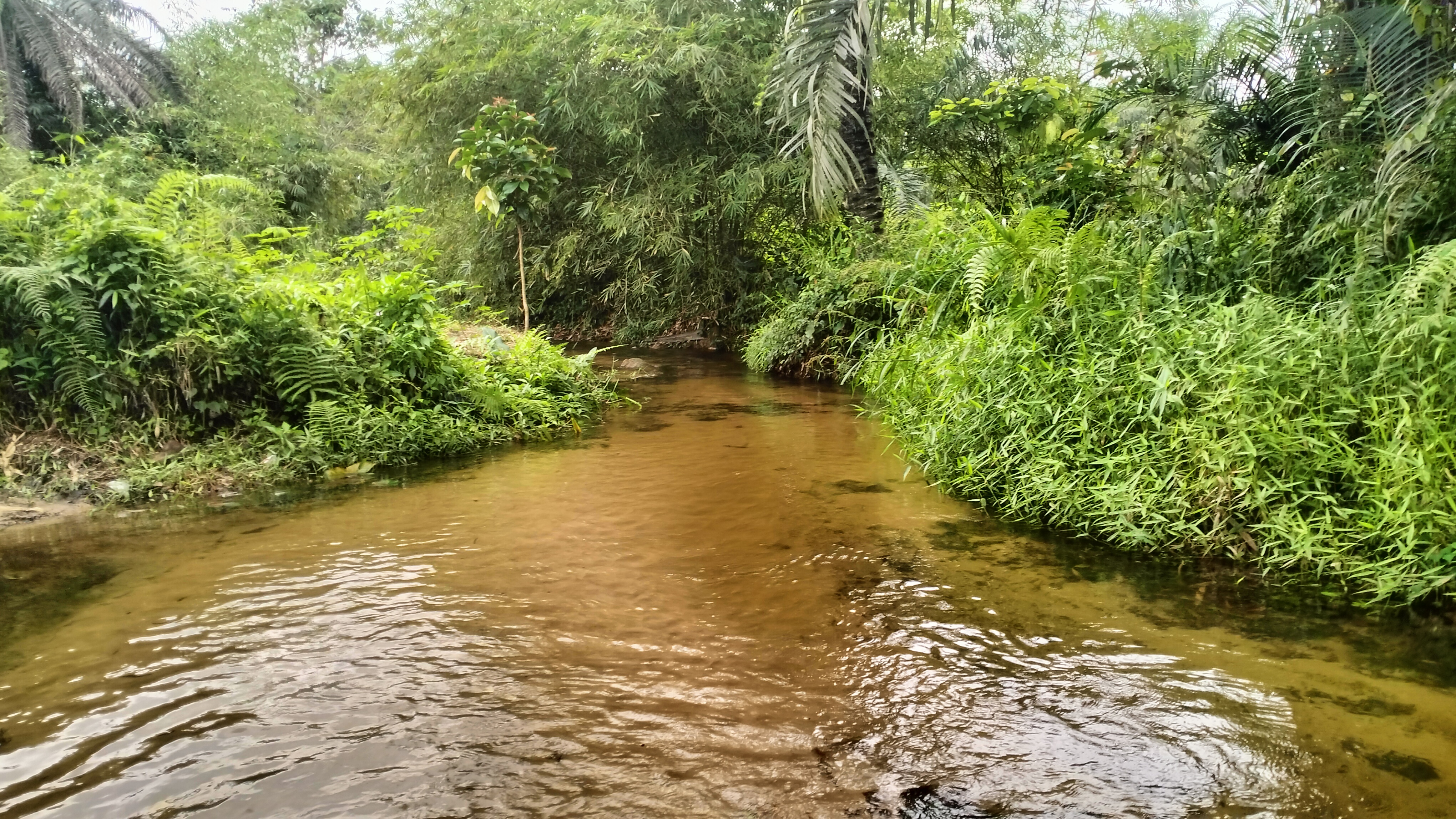
THE HISTORY OF MAA LO LO WA By Idum Felix When we were kids growing up in the village, Maa Lo Lo Wa was surrounded by mystery. It was not just a river to us; it was a presence. Man
By Idum Felix
verified
THE HISTORY OF MAA LO LO WA
By Idum Felix
When we were kids growing up in the village, Maa Lo Lo Wa was surrounded by mystery. It was not just a river to us; it was a presence. Many of us witnessed events there with our own eyes, events that shaped our understanding of fear, reverence, and spiritual authority.
Maa Lo Lo Wa was a place of immense power. It was believed to be the guardian of the community, a silent protector whose strength demanded respect. Going there was never casual. If you were sent to fetch water, especially in the afternoon, you went with caution. Your heart would pound in your chest. The fear was real because the power was real.
I remember two incidents vividly, not stories told to me, but things I personally saw.
One day, a young woman went to fetch water during her monthly flow, a time when tradition forbade approaching the river. What followed shocked the entire community. The river was believed to have reacted violently, and she was publicly rebuked for breaking a sacred rule. In Kor, such boundaries were not suggestions, they were laws of the spirit.
In another instance, a woman who had recently undergone an abortion came to fetch water. The river was said to have rejected her as well, and she too faced public disgrace. Whether one interprets these events spiritually or culturally, the message was clear: Maa Lo Lo Wa was not to be approached carelessly.
Even clothing was not allowed to touch the water. The river was considered sacred, set apart. It carried mystery, power, and strict expectations.
In Kor, there were two places no one approached casually:
1. Maa Lo Lo Wa
2. Wii Koro
Both locations carried deep spiritual authority. Maa Lo Lo Wa was regarded as the protector of the community, while Wii Koro was equally feared, its story reserved for another time.
You did not enter these places in the afternoon, no matter how brave you claimed to be. Strength meant nothing there. Respect meant everything.
What made Maa Lo Lo Wa even more remarkable was that it had no priest, no visible overseer. Yet it commanded obedience. Its influence alone maintained order and reverence in the community.
But change came.
A respected church elder in the community began fishing in the river and killing crocodiles within it. His actions challenged the long-held belief in the river’s sacredness. When nothing visibly happened to him, others followed. Gradually, fear turned into doubt. Doubt turned into boldness. And boldness turned into disregard.
Then, around the year 2000, a Christian evangelist known as Sister Grace visited Kor. She was known for confronting shrines and traditional deities in different communities. When she arrived, several sacred sites, including those connected to Maa Lo Lo Wa, were publicly denounced and desecrated.
That period marked a turning point.
The once-revered guardian of the community began to lose its spiritual standing in the eyes of the people. What was once approached with trembling became ordinary.
There were also other deities connected to the spiritual heritage of the land, Gbeneakoo, Gbenebeka, and Gbeneatee, believed to be siblings from the same spiritual lineage. It was said that Gbeneakoo left Kor for communities that still welcomed and honored him.
Today, Maa Lo Lo Wa is treated like any other river. People fish freely, wash clothes, and move about without hesitation. The sacred has become ordinary.
This story may challenge some perspectives, but history must be told honestly. The fall of Maa Lo Lo Wa is not just about a river, it is about identity, belief, transition, and the cost of cultural transformation.
Moral
Respect for culture and traditions
Source / Origin
Idum Felix