
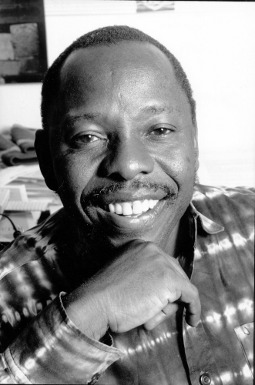
KENULE BEESON SARO-WIWA
Kenule Beeson Saro-Wiwa was nominated for and awarded several prestigious international honors primarily for his non-violent leadership in the struggle for environmental justice an...
Philosophy
PHILOSOPHY Saro-Wiwa’s philosophy centered on environmental justice, human rights, and the accountability of corporations and governments to indigenous communities. Environmental & Economic Justice: He advocated for the rights of the Ogoni people to control their own resources, arguing that the Niger Delta's wealth should benefit its inhabitants rather than foreign corporations or distant ruling elites. The Combative Role of Art: He believed that African writers could not merely be storytellers but must be activists involved in shaping society. He stated that in his context, literature had to be "combative". Nonviolent Resistance: Despite facing immense violence, he maintained a commitment to a nonviolent struggle, utilizing international pressure, grassroots mobilization, and the 1990 Ogoni Bill of Rights to fight for autonomy. Moral Victory: He believed that ideas were more powerful than physical coercion and that his cause would succeed regardless of his personal fate.
Selected Quotes
NOTABLE QUOTES OF KEN SARO-WIWA "I tell you this, I may be dead but my ideas will not die". "Lord take my soul, but the struggle continues" (Last words before execution). "I've used my talents as a writer to enable the Ogoni People to confront their tormentors... My writing did it". "The writer... must be actively involved shaping its [society's] present and its future". "The men who ordain and supervise this show of shame... are frightened by the word, the power of ideas, the power of the pen". "We all stand before history".
Key Achievements
ACHIEVEMENT AND IMPACT MOSOP Leadership: He revitalized the Movement for the Survival of the Ogoni People (MOSOP), mobilizing over 500,000 people to demand environmental and economic justice. The Ogoni Bill of Rights: He was central to crafting this document, which demanded political autonomy and ecological rehabilitation. International Attention & Awards: He brought global attention to the environmental devastation in the Niger Delta, earning the 1995 Goldman Environmental Prize. Posthumous Impact: His execution triggered international outrage, leading to Nigeria's temporary suspension from the Commonwealth. Literary Work: He was a prolific writer, recognized for works like Sozaboy and the TV series Basi & Company.